Serbian
 Hungarian
PREPARATION PHASE
Includes design, obtaining the necessary documentation and preparation for implementation.

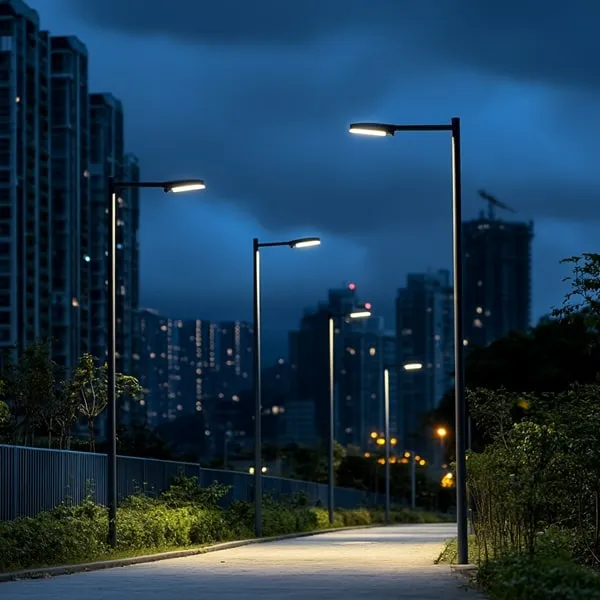
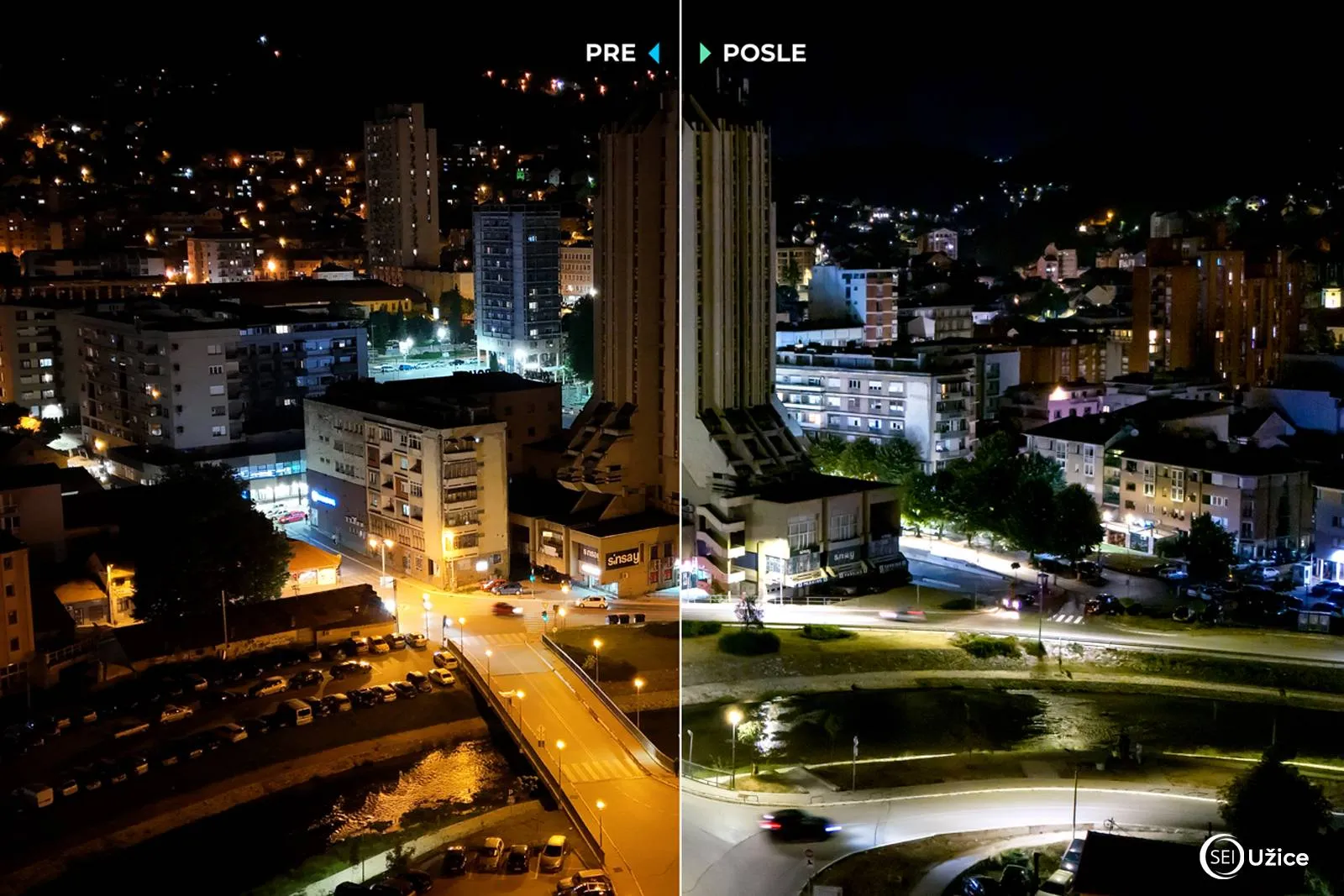
The project includes the reconstruction or replacement of old and inefficient lighting with modern LED luminaires, public-lighting switching systems and smart management systems, while guaranteeing the quality and results of energy-saving measures and providing long-term maintenance.
Includes design, obtaining the necessary documentation and preparation for implementation.

Includes equipment procurement, reconstruction, installation and commissioning.

Covers the period after the public-lighting system is commissioned, during which quality is guaranteed and the system is maintained.
The Dark Sky Initiative is a global movement dedicated to reducing light pollution and protecting the night sky.
It focuses on preserving dark skies, helping protect ecosystems, human health and natural resources.
The initiative raises awareness of the problems caused by light pollution and promotes lighting technologies that minimize negative environmental effects.
Light pollution is the excessive and inappropriate use of artificial lighting that disrupts the natural rhythm of day and night. It includes excessive ambient light in urban areas, which can negatively affect wildlife, people and biological processes. All #letsSEIvtogether projects fully comply with the European EN13201 standard, ensuring optimal lighting conditions while preserving the natural balance.
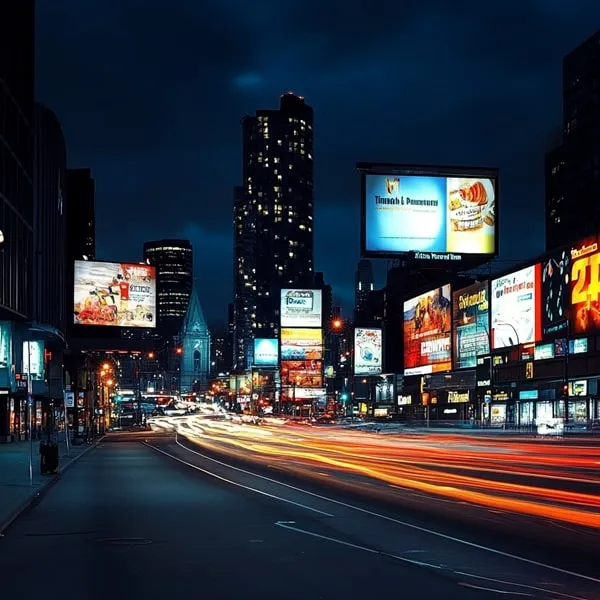
Many regions around the world are affected by light pollution that prevents people from seeing the natural night sky. Preserving it matters both for enjoying natural beauty and for scientific research.

Through #letsSEIvtogether projects, Smart Energy Investment raises public awareness of light pollution, its effects on human health and the environment, and how replacing old lamps with modern LED lighting can reduce it.
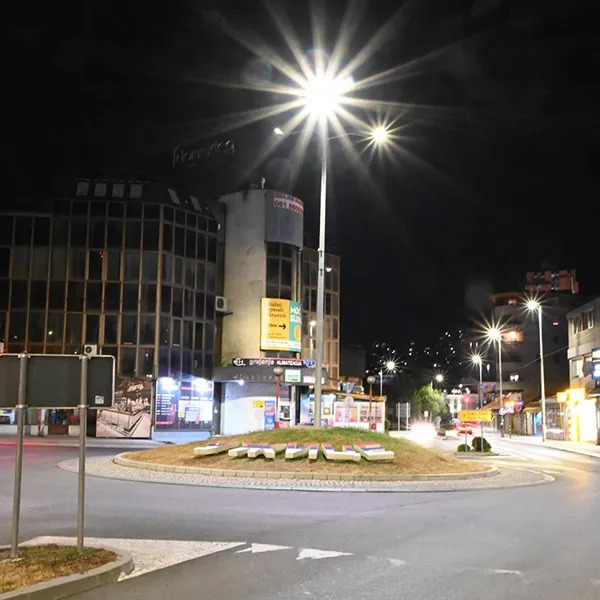
Through #letsSEIvtogether projects, we implement energy-efficient, directional LED lighting that reduces light pollution and saves energy. Directing light only where it is needed and minimizing light spill reduces negative effects on nocturnal ecosystems and the environment.